Preparing your car for winter: what to check first
Start with the symptoms you have noticed, not a shopping list of replacement parts. A winter check should match the car, its maintenance history and the journeys you actually make.
First service after buying a used car without records
If the service history is incomplete, the aim is to establish what is known, identify urgent faults and agree a sensible maintenance plan. It is not to replace every component at once.
Signs of a weak car battery: what else can look similar?
Slow cranking or a click instead of a normal start can point towards a battery problem. Those symptoms alone do not prove that the battery needs replacing.
Faulty alternator symptoms: battery or charging problem?
A charging warning or repeated flat battery needs investigation. A battery stores electrical energy; charging faults can leave it depleted even if the battery itself is serviceable.
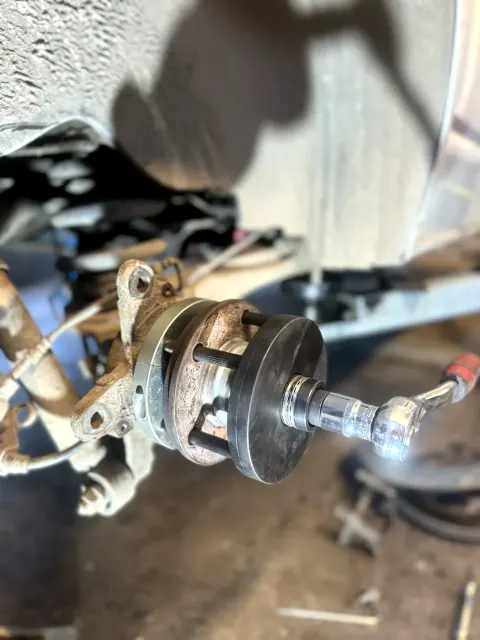
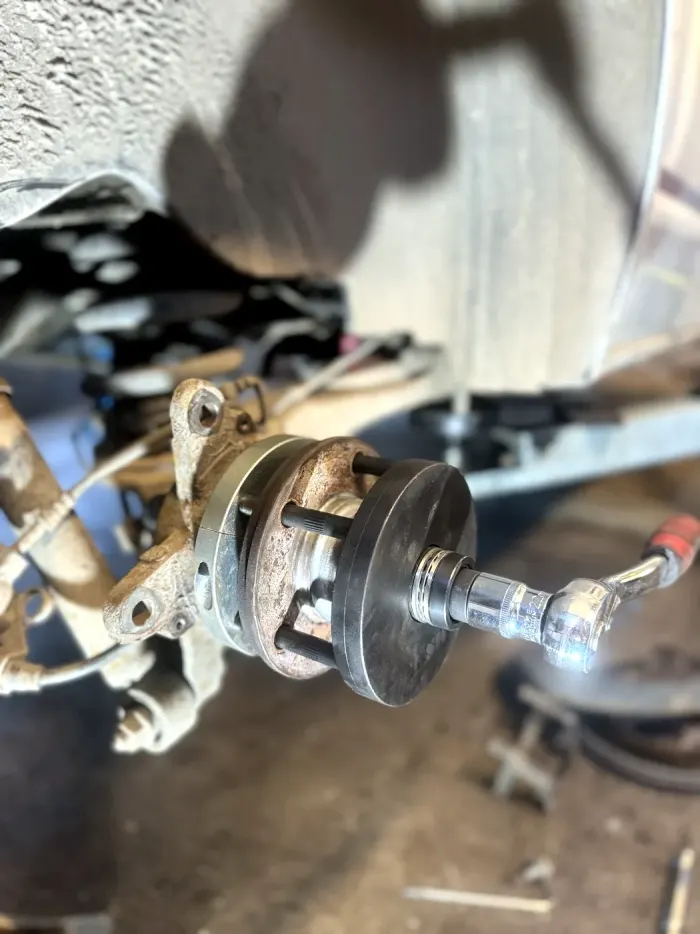
Humming wheel bearing: what the noise can tell you
A humming noise that changes with road speed deserves a check. Tyres, brakes and other rotating parts can sound similar, so a sound description alone does not identify a faulty bearing or the affected wheel.
Worn brake symptoms: noises, vibration and pedal changes
A squeal is not enough to diagnose worn pads, and a quiet brake is not proof that everything is sound. Changes in stopping, pedal feel and heat deserve particular attention.
Suspension knocking over bumps: what needs checking?
A knock on rough roads is a symptom, not the name of a replacement part. Describe where and when it occurs so the workshop can choose a relevant inspection.
The full inspection report is the best starting point. A failed result is not a diagnosis of one particular part, and clearing fault codes alone does not repair the reason for failure.
Worn clutch symptoms: slipping, judder and difficult gears
Rising engine speed without matching acceleration can indicate clutch slip. Noise, judder or difficult gear selection can have other causes too, so the whole symptom matters before recommending a replacement.
Tyre slowly losing pressure: puncture, valve or rim?
A tyre that repeatedly loses pressure needs its cause checked. Adding air can reveal a recurring pattern, but it does not establish that the tyre is undamaged or suitable for repair.
“The car does not heat” can describe several different problems. The most useful first distinction is whether the engine warms normally, the fan moves air and that air becomes warm.
Losing coolant with no visible leak: what to record
A dry parking space does not rule out coolant loss. Some leaks occur only under operating conditions, remain on an undertray or need other investigation. Avoid jumping straight to a head-gasket diagnosis.
Clutch pedal stays on the floor: do not force the journey
A pedal that will not return or no longer disengages the clutch is different from ordinary clutch wear. Do not try to compensate by starting in gear or changing gear without the clutch.
Car using oil with no visible leak: measure before guessing
Oil consumption and an external leak are not the same problem, but both can reduce the level. An accurate top-up and mileage record helps far more than a guess about how many bottles have been used.
Steering wheel vibrates at speed: wheels or suspension?
Vibration while driving without braking is not the same symptom as shaking when the brake pedal is pressed. Tell the workshop where you feel it and under what conditions it already occurred; do not reproduce it by driving faster.
Rough or fluctuating idle: what to record before a check
Does the engine run unevenly while stationary, fluctuate or stall? Distinguish a brief change after a cold start from a new recurring problem. The symptom alone does not identify a part to replace.
ABS or ESP warning lights: meaning and safe next steps
An ABS warning is not the same as a red brake warning. The combination of symbols, whether they remain lit and any change in braking or handling determine the next safety decision.
Car using more fuel than usual: when to investigate
Petrol or diesel consumption increased? Compare fuel records and driving conditions, note related symptoms and request a targeted check instead of guessing parts.
Tyre-pressure warning after a wheel change: what to check
TPMS light after changing wheels? Check tyres and vehicle-specified pressures first. Reset versus a system fault, without promises of sensor programming.
When to replace spark plugs and what to check first
Find the correct spark-plug interval, check service records and distinguish scheduled replacement from fault investigation. No universal mileage for every engine.
Do not mask petrol or diesel smells with fragrance. When to stop, what not to do around a suspected leak and how to report it without another test drive.
Engine overheating: what to do when the warning appears
Temperature warning, steam or suspected overheating? When to stop, why not to open a hot cooling system and how to arrange checks without another test drive.
Uneven tyre wear: what to check before replacing tyres
Inner-edge wear, worn centres or patches on a tyre? What to record, why a new set may not solve the cause and how to arrange a wheel and suspension check.
A change in brake-pedal resistance or travel needs assessment. When not to drive, what to report and why a fluid change alone does not establish a repair.
Car windows keep fogging up: moisture, ventilation or a fault?
Repeated condensation inside car windows: what to observe while parked, what to tell the workshop and how this differs from weak heating or musty ventilation.
Continued body movement or unsettled handling after a bump? What to record before a suspension check and why the symptom alone does not identify failed dampers.
Wipers leave streaks or miss patches: blades, glass or mechanism?
Streaks, juddering or unwiped patches? What to report, what to check while parked and why replacement blades alone may not resolve every wiping problem.
Engine starts then stalls: what to record before diagnosis
The engine fires but stops again shortly afterwards? How this differs from prolonged cranking, what to tell the workshop and why repeated attempts are not a diagnosis.
Steering wheel off-centre after a pothole: what to check
A pothole or kerb impact changed the steering-wheel position? Safe next steps, wheel and suspension assessment, and why balancing is not the same as alignment.
Car battery goes flat overnight: why replacement may not solve it
Battery flat again in the morning? What to record about parking, charging and accessories, why not to replace parts blindly and how to arrange assessment.
Squealing after starting: belt, pulley or another cause?
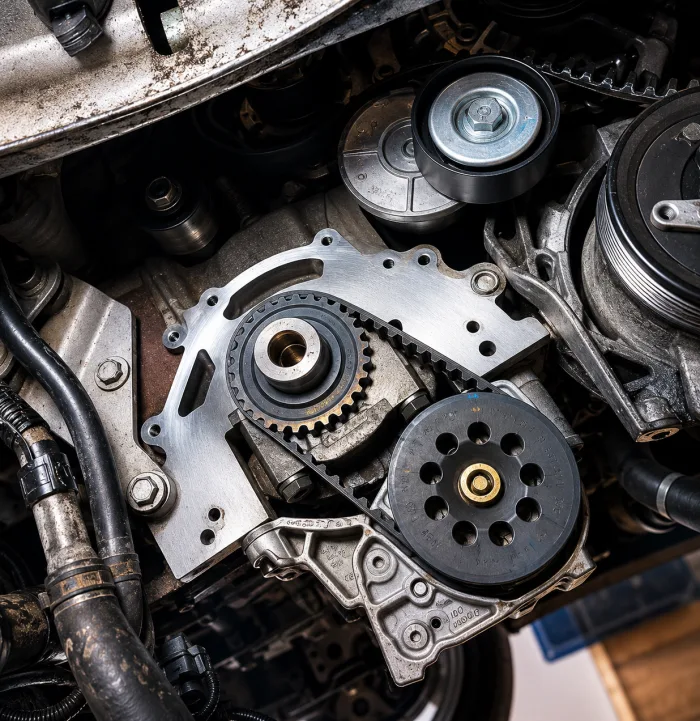
A new squeal after starting does not identify a failed belt. What to report, why sound alone cannot diagnose timing components and when to stop further attempts.
Glow-plug warning light stays on or flashes: what to report
A diesel coil symbol before starting or while running? Why the exact vehicle handbook matters, what to record and why not to order glow plugs from the light alone.
Distinguish repeated clicks, a single knock and humming before contacting the workshop.
Practical guide · 02
Clicking when turning: where is it from?
Clicking while turning or parking? Distinguish repeated clicks, a single knock and humming. What to report and why a sound alone cannot identify the failed part.
Two practical guides in Czech and English: a safe first response, useful observations and how to agree an assessment.
Practical guide · 01
White, blue or black exhaust smoke: what to do
Smoke after starting or while driving? Distinguish vapour from unusual exhaust smoke, know when to stop and prepare useful details for an engine assessment.
Red oil warning while driving? Stop safely and switch off. Why a correct oil level does not rule out a pressure problem and what to report before assessment.
Does braking need unusually high pedal force? Distinguish a switched-off car, a newly hard pedal while driving and ABS pulsation — without a test drive.
A handbrake that will not hold and an engine cutting out
Two practical guides in Czech and English: a safe first response, useful observations and how to agree an assessment.
Practical guide · 01
Handbrake not holding: what to do before an inspection
Handbrake not holding, long lever travel or an EPB fault? What to report, why cable tightening is not always a repair and how to arrange a check before STK.
Engine suddenly stopped while driving? Put safety before diagnosis. What to record, how to arrange an assessment and why restarting does not confirm a repair.
Ten new guides: symptoms, maintenance and repair decisions
Ten practical guides in Czech and English. Search a symptom or choose a maintenance topic to find useful next steps before contacting the workshop.
Practical guide · 01
Heavy steering or a power-steering warning: what to do
Steering suddenly heavy or a steering warning showing? Separate resistance from vibration, record useful details and agree a safe next step with the workshop.
Windscreen washers not spraying: freezing, a leak or a fault?
Washers not spraying, weak jets or fluid disappearing? Separate front and rear symptoms, freezing and leakage before arranging a useful workshop assessment.
Brake lights not working: one lamp or all of them?
One brake light out, all stop lamps failing or lights staying on? Useful observations, why a bulb is not always the cause and how to arrange an assessment.
Headlight condensation or water inside: when to get it checked
Fine mist, droplets or water collecting inside a headlight? What to record and why polishing the outer lens does not repair an internal lighting problem.
Milky residue under the oil cap: condensation or an engine concern?
Creamy residue under the oil cap? Separate a local deposit from changed oil, record other symptoms and understand why a photograph cannot diagnose a head gasket.
When to replace a diesel fuel filter and what the service involves
Check the correct diesel fuel-filter interval, identify useful service records and separate routine replacement from investigating hard starting or a warning.
Engine air filter vs cabin filter: which one does your car need?
An engine air filter is not a cabin filter. Understand the service items, check the correct replacement schedule and request suitable parts without guessing.
When to replace engine coolant—and why colour is not enough
Check your coolant replacement interval and correct specification. Why colour is not enough, what records help and when leakage or overheating needs attention first.
Car heater fan only works on high: what needs checking?
Cabin fan runs only on high or ignores speed settings? Separate control response from weak airflow and prepare useful information for a vehicle-specific assessment.
Is an older car worth repairing? Start with findings, not age alone
Assess an older car's repair using confirmed findings, upcoming maintenance, realistic alternatives and a clear budget—not a universal age or price threshold.
Eight new guides: specific faults and planned maintenance
Eight practical guides in Czech and English. Search a symptom or choose a maintenance topic to find useful next steps before contacting the workshop.
Practical guide · 01
Hard to select first or reverse gear: what to tell the workshop
First or reverse gear difficult to select in a manual car? Useful observations, when to stop trying and how to arrange an assessment without guessing parts.
Start-stop battery replacement: AGM, EFB and registration
Planning a start-stop battery replacement? Check AGM or EFB requirements, the correct specification and any registration procedure before agreeing workshop work.
Engine not warming up or temperature dropping: what to check
Engine temperature stays low or drops during a journey? Separate the gauge reading from cabin heating and prepare useful details before requesting a check.
Old tyres with good tread: DOT dates and condition checks
Tyres have tread left but their age is unclear? Read the manufacture date, separate age from damage and prepare a condition check or replacement enquiry.
Engine oil level rising or above maximum: what to do
Oil level rising or above maximum? Separate measurement conditions, recent topping-up and a genuine change in the oil before arranging an engine assessment.
Returning a car to use after months parked? Gather its storage history, tyre and battery information and service records before agreeing an assessment.
Radiator fan runs after switching off: when to get it checked
Cooling fan still audible after switching off? Separate handbook-described operation from a new change and prepare useful details without disconnecting parts.
Noise when pressing the clutch pedal: what to record
A noise appears or disappears when you press the clutch pedal? Describe the change accurately and arrange a check without automatically ordering a bearing.
Six new guides: specific faults and planned maintenance
Six practical guides in Czech and English. Search a symptom or choose a maintenance topic to find useful next steps before contacting the workshop.
Practical guide · 01
P0300–P0304 misfire codes: check the cause before ordering parts
A scan shows P0300, P0301 or P0304? Understand the misfire report, what to preserve and how to arrange an assessment without guessing replacement parts.
Service reminder, OIL or INSP: which maintenance is due?
Your car displays service, OIL or INSP? Check the model-specific meaning, distinguish maintenance from a fault warning and prepare records before booking.
Six practical guides in Czech and English. Search a symptom or choose a maintenance topic to find useful next steps before contacting the workshop.
Practical guide · 01
P0171 and P0174: a lean-mixture code does not identify a failed sensor
A scan shows P0171 or P0174? Understand lean-mixture codes, preserve useful evidence and arrange an assessment before buying an oxygen or airflow sensor.
P0420 and P0430: check the cause before replacing the catalyst
P0420 or P0430 does not automatically mean a new catalytic converter. Learn what evidence to keep and how to agree an assessment, repair scope and costs.
How to read tyre size, load and speed ratings before an enquiry
What do 205/55 R16 91V and XL mean? Read the complete tyre marking and prepare a useful tyre-supply or fitting enquiry without confusing it with DOT age.
AdBlue warnings: low level, system fault and no-start countdown
Low AdBlue and an SCR system fault are different. Understand no-start warnings, preserve the exact message and confirm assessment availability before travel.
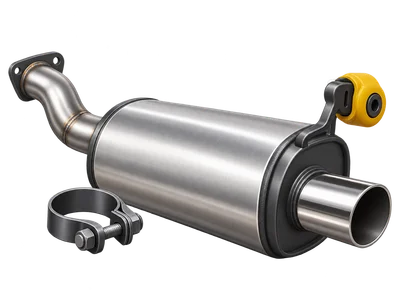
An exhaust that is suddenly louder: leaks, rattles and repair costs
A new exhaust rumble, hiss or rattle? Know what to report, when noise becomes a safety concern and what an exhaust repair or replacement quote should cover.
Split CV boot: when a boot replacement may be enough
A split CV boot or grease near a wheel? Learn what needs checking before replacing a boot, joint or driveshaft and how to request a clear repair quote.
P0401 and P0402: investigate EGR flow before replacing the valve
A scan shows P0401 or P0402? Understand insufficient or excessive EGR flow, keep useful records and agree an assessment before buying a replacement valve.
P0087 low fuel pressure: check the cause before replacing the pump
A scan shows P0087? Why low fuel pressure does not confirm a failed pump, which records to keep and what to agree before diagnostics or replacement parts.
Four new guides: flywheel, mounts, brake pipes and codes
Four practical guides in Czech and English. Search a symptom or choose a maintenance topic to find useful next steps before contacting the workshop.
Practical guide · 01
Dual-mass flywheel: checks before replacement and what affects the cost
Suspect a worn dual-mass flywheel? Understand the evidence for replacement, separate parts from labour and prepare a clear enquiry before approving repairs.
Engine and gearbox mounts: symptoms and checks before replacement
Body vibration or a knock as drive takes up? Understand powertrain mount checks, distinguish other symptoms and arrange an assessment before replacing parts.
Corroded brake pipes: inspection findings and arranging a repair
Brake-pipe corrosion recorded at a service or Czech STK? Understand the finding, when not to drive and how to agree an inspection and repair scope safely.
P0335 and P0336: investigate the circuit before replacing the crankshaft sensor
A scan shows P0335 or P0336? Understand what the codes indicate, why the crankshaft sensor itself may not be faulty and what records help a focused assessment.